What should you wear in Vietnam in August? Planning a trip to Vietnam during this month requires paying close attention to what clothes to pack in order to adapt to the country’s climate. Depending on the regions you plan to visit, north, central or south, weather conditions can vary significantly. High humidity and warm temperatures will strongly influence your clothing choices. Here are some practical tips to help you stay comfortable during your trip to Vietnam while respecting local culture.
Choose Lightweight and Breathable Clothing
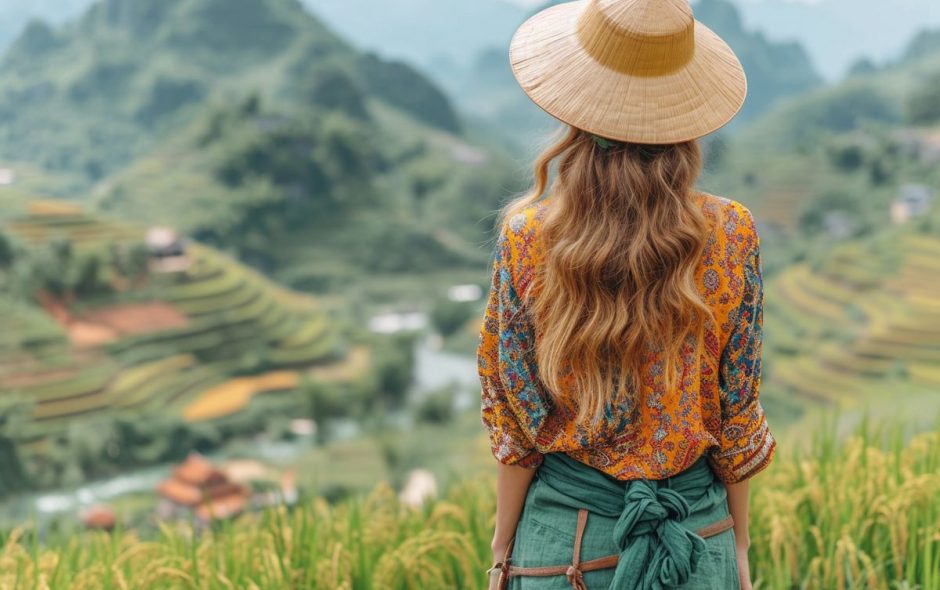
In August, Vietnam is in the middle of the rainy season, with high temperatures, especially in central and southern regions. It’s best to wear lightweight, breathable fabrics such as cotton or linen, which help your skin cope with humidity. Loose cotton shirts, T-shirts and lightweight trousers are ideal.
If you plan to visit sacred or religious sites, bring a scarf or shawl to cover your shoulders, and opt for long trousers or long skirts and dresses that cover the knees, as a sign of respect for local customs.
Evenings can be cooler, particularly in the northern mountains, so don’t forget to pack a light jacket or sweater. Temperature differences can be noticeable, especially when traveling from lowlands to higher elevations.
Protect Yourself from Rain and Sun
Tropical showers and heavy rain are common in August. A rain jacket or lightweight waterproof coat is essential to stay dry. Many travelers also carry a compact umbrella. In southern cities like Ho Chi Minh City, rainfall can be intense but short-lived, making these accessories particularly useful.
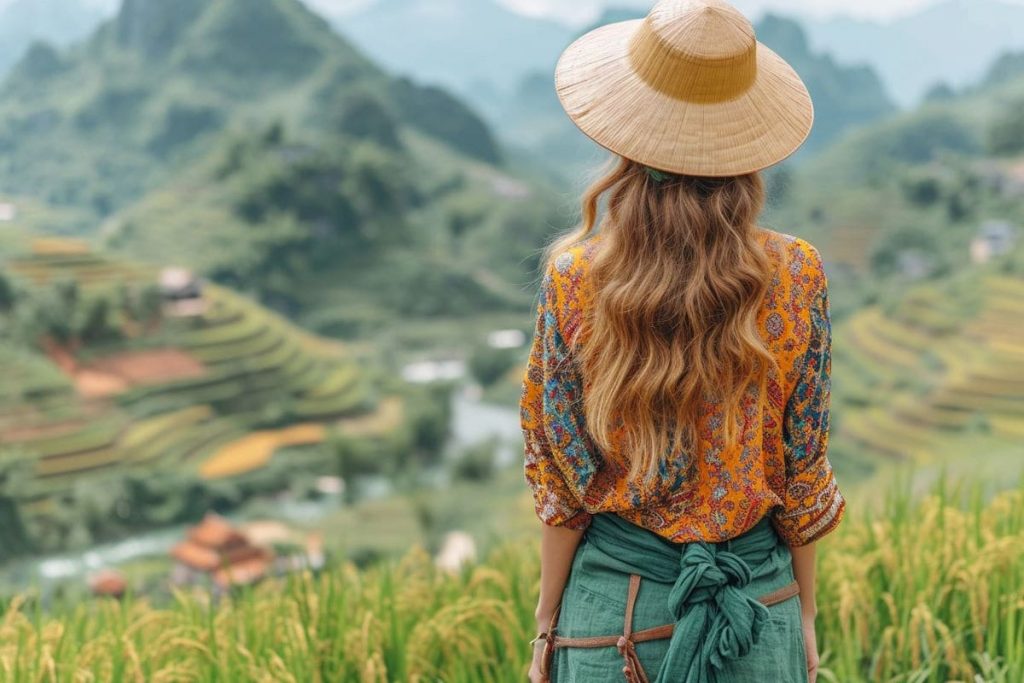
Despite the rainy season, the sun remains strong, especially around midday. A hat or cap, sunglasses, and UV protection are therefore necessary. The traditional Vietnamese conical hat, widely available in local markets, can be both a practical sun shield and a meaningful cultural souvenir.

Wear Comfortable Shoes for Exploring
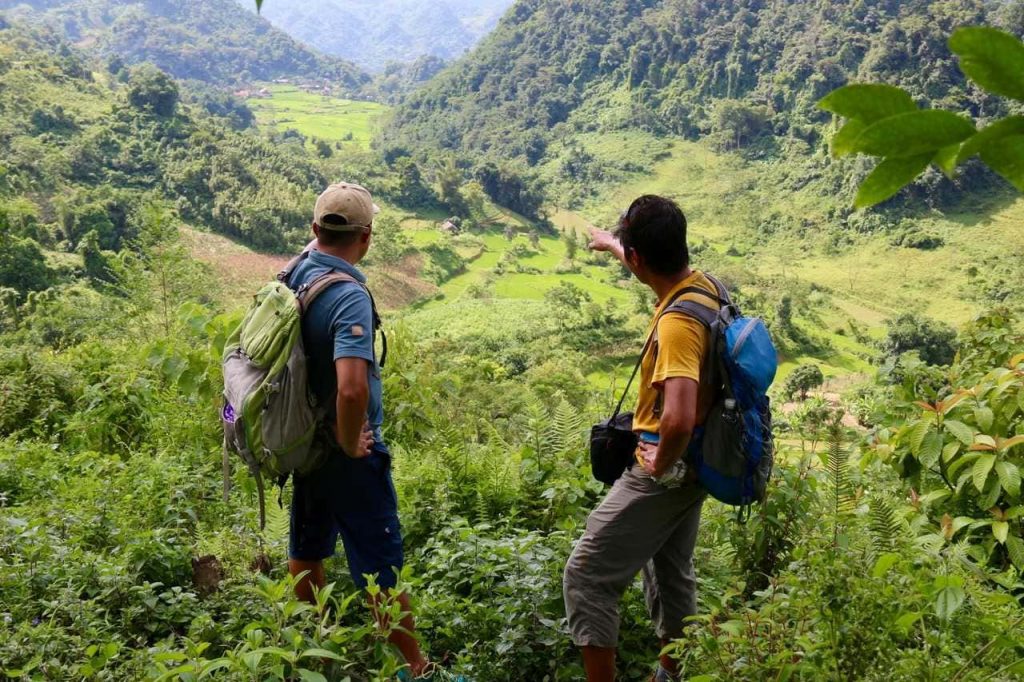
Vietnam involves a lot of walking—whether you’re exploring historical sites, rice fields, or wandering through local markets. Comfortable and practical footwear is essential. Open sandals or breathable sneakers, preferably water-resistant, are good options.
If you plan to hike in areas such as Sapa or Phong Nha–Ke Bang National Park, choose proper hiking shoes. They provide better support and protect your feet on muddy or uneven trails.
Adapt Your Clothing to Local Culture
Vietnamese traditions and cultural norms are strongly respected, especially in rural areas. While major cities like Hanoi and Ho Chi Minh City are more liberal, it’s important to remain mindful of local expectations.
When visiting pagodas, temples or religious sites, wear modest clothing such as long trousers, long skirts or dresses, and bring a scarf to cover your shoulders.
In coastal cities like Da Nang or Nha Trang, beachwear is generally acceptable near the shore. However, it’s important to cover up once you leave the beach. Walking around in swimwear in public spaces is considered inappropriate, even in tourist areas.
Useful Accessories to Pack
Certain accessories can make your trip more comfortable. A cap, bucket hat or sun hat is essential for sun protection. A light scarf can also be useful to protect yourself from strong air conditioning in buses, restaurants or hotels.
If you’re traveling in August, consider bringing a waterproof backpack to protect your belongings from sudden rain showers.
Final Thoughts
We also offer tailor-made tours in Vietnam adapted to your travel preferences.
Contact our local team who will be happy to assist you with planning your trip and supporting you throughout your stay.