In Sri Lanka, religions don’t exist in separate neighbourhoods, they coexist, sometimes within a few streets of each other. Buddhist pagodas, Hindu temples, mosques, and churches are all part of the same daily landscape. For the traveller, this diversity is anything but abstract: it takes shape in highly visible buildings, often spectacular, and always very much alive.
Rather than approaching Sri Lankan religions in a theoretical way, it makes more sense to understand them through place. Each building tells the story of a belief, a community, and a chapter in the island’s history. From Colombo to Jaffna, from the Cultural Triangle to the coastal towns, these buildings offer a concrete reading of Sri Lanka’s religious pluralism.
Buddhism: The Country’s Spiritual Backbone
Practised by approximately 70% of the population, Theravāda Buddhism profoundly shapes Sri Lankan society. Introduced in the 3rd century BC, it continues to influence daily rhythms, religious festivals, urban architecture, and even the organisation of public space, from villages to major cities.
The Temple of the Tooth in Kandy
In Kandy, the Temple of the Tooth (Sri Dalada Maligawa) is far more than a tourist site, it is an active spiritual centre. It is said to house a relic of the Buddha’s tooth, a symbol of political and religious legitimacy for centuries. The daily ceremonies, marked by drumming and offerings, reveal a Buddhism that is lived and practised, not frozen in time.


The Great Sites of the Cultural Triangle
In Dambulla, Anuradhapura, and Polonnaruwa, monumental stupas and cave temples bear witness to the former power of Buddhist kingdoms. Ruwanwelisaya and the Jaya Sri Maha Bodhi are not silent ruins, they are active pilgrimage sites, visited by white-clad devotees, sometimes alongside foreign travellers.
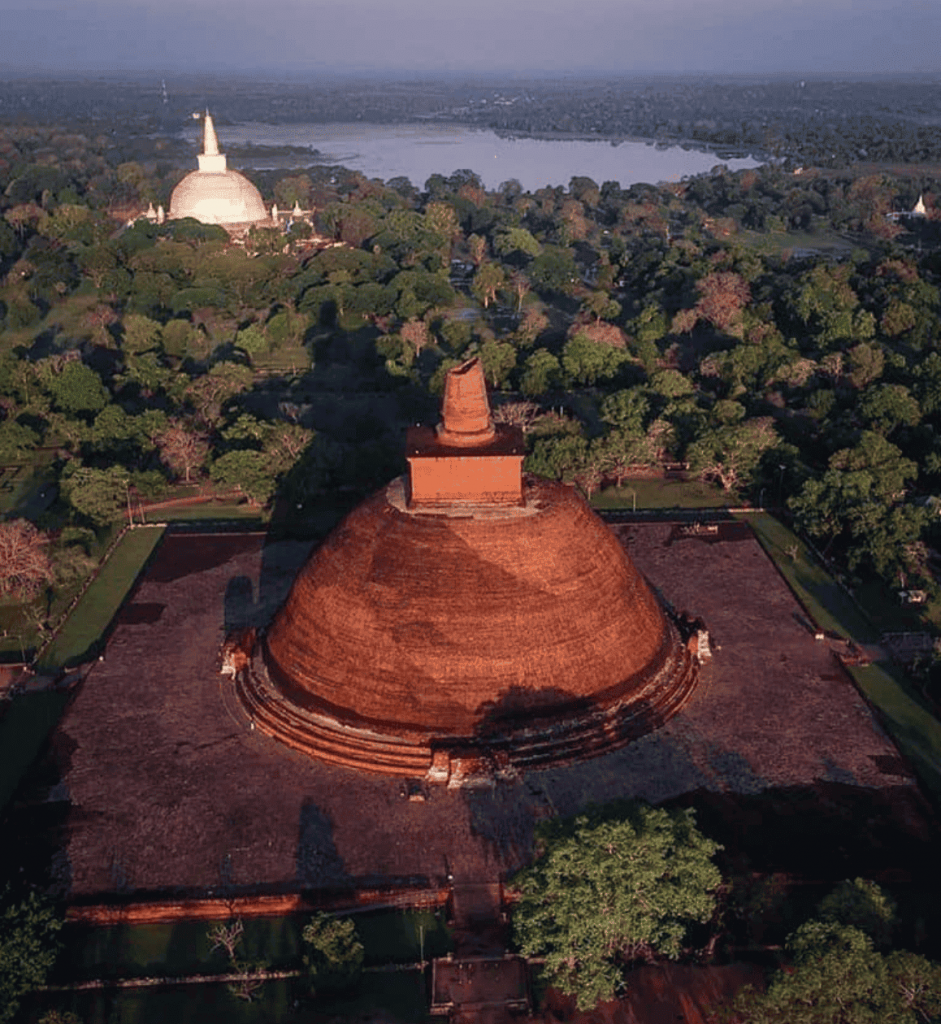
Sri Lankan Buddhism is defined by this continuity: history, faith, and the present are intimately woven together.
Hinduism: Identity and Memory of the North and East
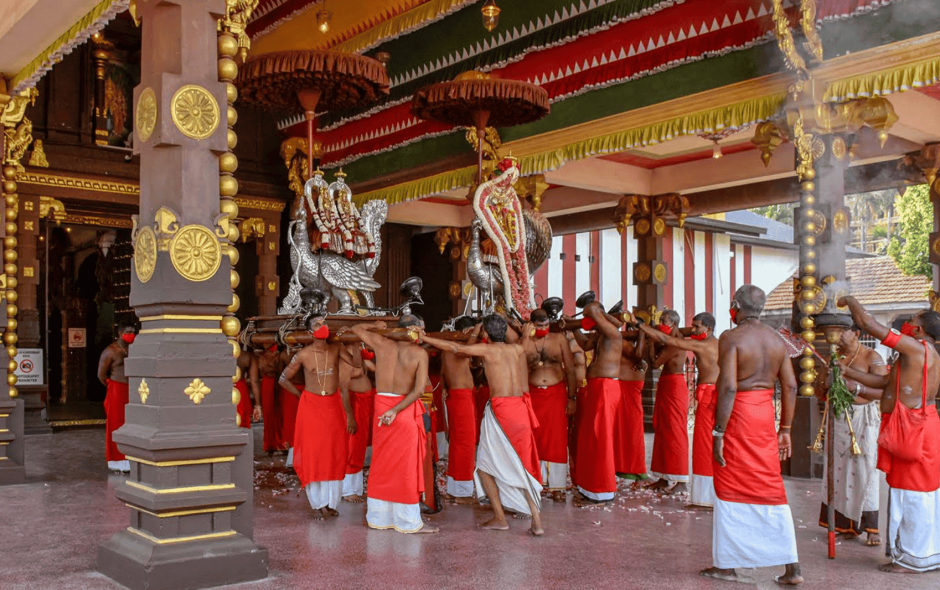
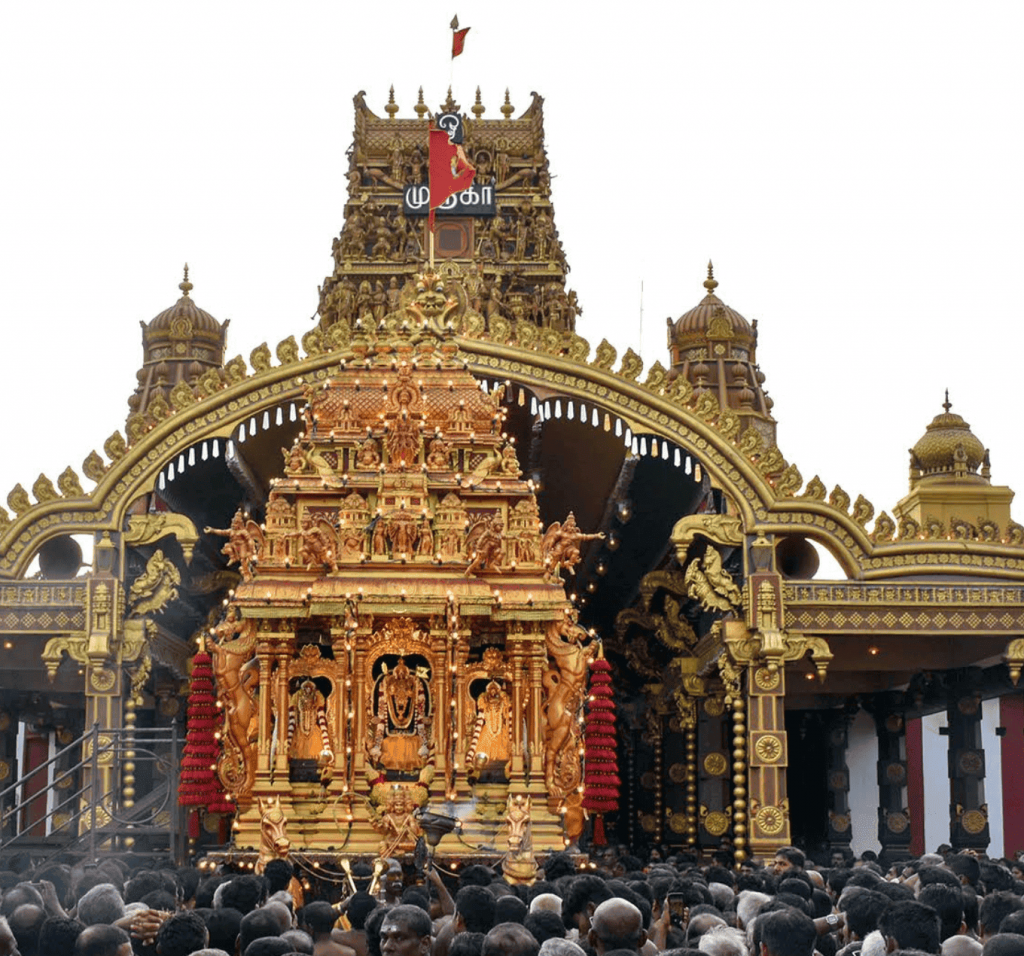
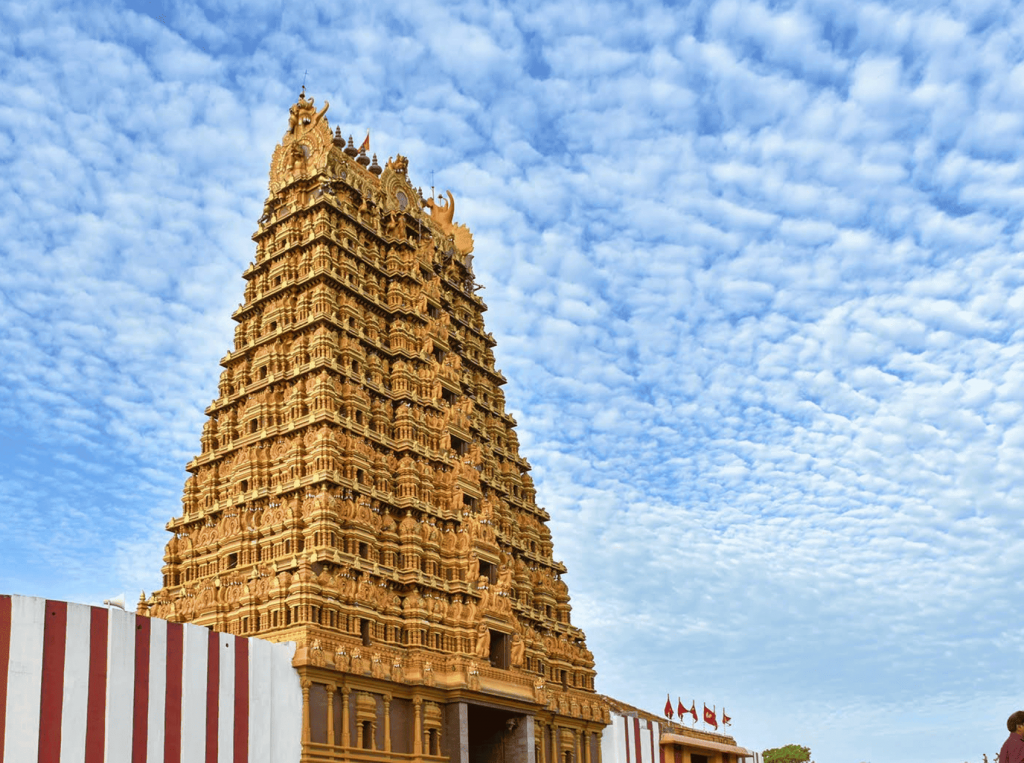
Hinduism is practised by approximately 12 to 13% of the population, primarily within the Tamil community, concentrated in the North and East of the country. Its architecture is immediately recognisable: vivid colours, intricate sculptures, and monumental towers known as gopuram, which make a striking impression on the urban and cultural landscape of these regions.
The Nallur Temple in Jaffna
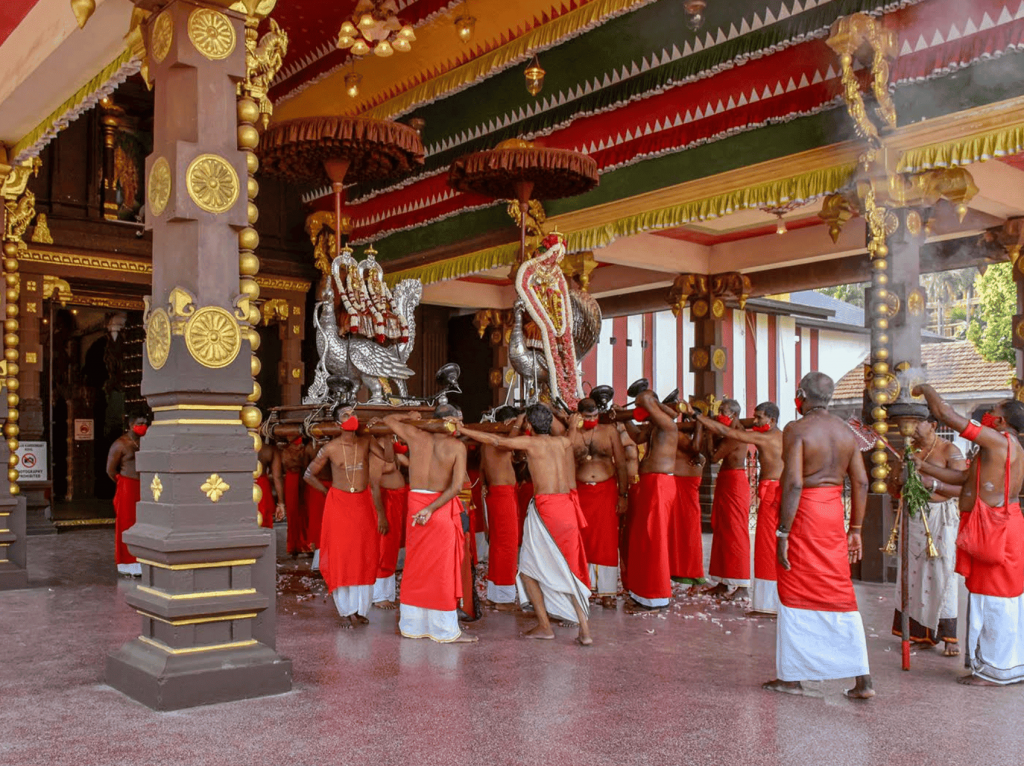
The Nallur Kandaswamy Kovil in Jaffna is one of the most important Hindu temples in Sri Lanka. Dedicated to the god Murugan, it structures both the religious and social life of the region. The annual processions, strict dress codes, and daily rituals are a reminder that Hinduism here is a deeply communal practice, rooted in local identity.
Koneswaram in Trincomalee
Perched on a rocky headland overlooking the ocean, the Koneswaram temple unites spirituality with geography. Dedicated to Shiva, it draws pilgrims and visitors alike for its rituals as much as for its spectacular setting. It also embodies the historical ties between Sri Lanka and the Indian world.
Sri Lankan Hinduism is often experienced with great intensity: colours, sounds, scents, and movement stand in sharp contrast to the restraint of Buddhist temples, though the two never come into direct opposition.
Islam: An Ancient Presence Rooted in Trade
Practised by nearly 10% of the population, Islam has been present in Sri Lanka for over a millennium. Brought by Arab merchants active along the Indian Ocean trade routes, it has left a lasting mark: to this day, many mosques stand at the heart of commercial and port districts.
The Red Mosque of Pettah (Colombo)
The Jami Ul-Alfar Mosque, better known as the Red Mosque, is one of the most photographed religious buildings in the country. Its red-and-white architecture, almost graphic in quality, stands out against the bustle of the Pettah market. It embodies an urban Islam, fully integrated into the economic and social life of Colombo.


Coastal Mosques and the Towns of the East
In Galle, Beruwala, and Kattankudy, mosques serve as a reminder of the historical importance of Muslim communities in maritime trade. These sites are generally open to visitors outside of prayer times, provided dress codes are respected.
Sri Lankan Islam is characterised by a certain visual restraint in some regions and, conversely, by a strong architectural identity in others.
Christianity: Colonial Heritage and Living Practice
Christianity accounts for approximately 7 to 8% of Sri Lankans. Introduced with the arrival of the Portuguese and later reinforced under Dutch and British rule, it remains very much alive. Catholics and Protestants are particularly visible in the west of the country, where churches, pilgrimages, and religious festivals continue to mark the rhythm of daily life.
Churches of Colombo and Negombo
In Colombo, buildings such as St Anthony’s Church in Kochchikade welcome a steady stream of worshippers — Christian and non-Christian alike. In Negombo, sometimes nicknamed “Little Rome,” churches punctuate the urban landscape and ceremonies shape local life.


Galle and the Dutch Legacy
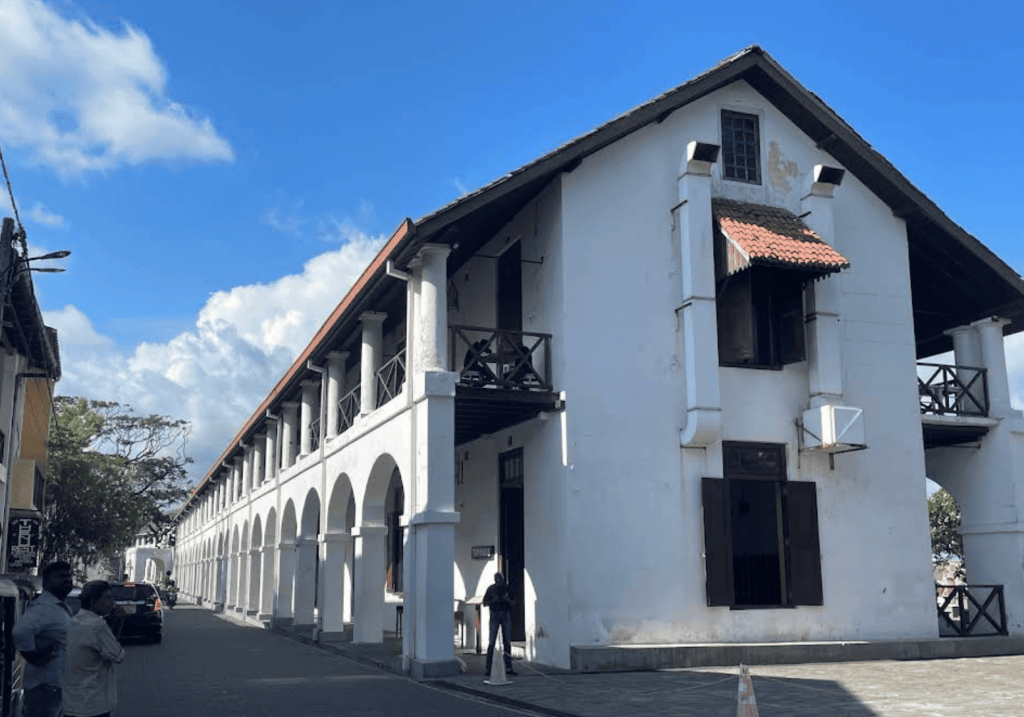
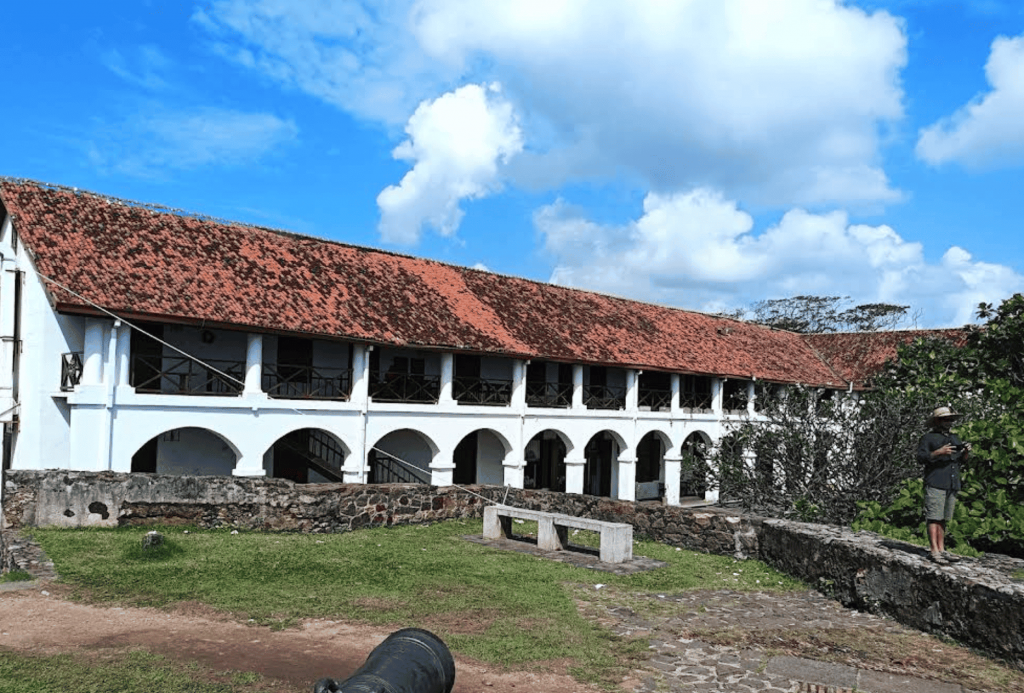
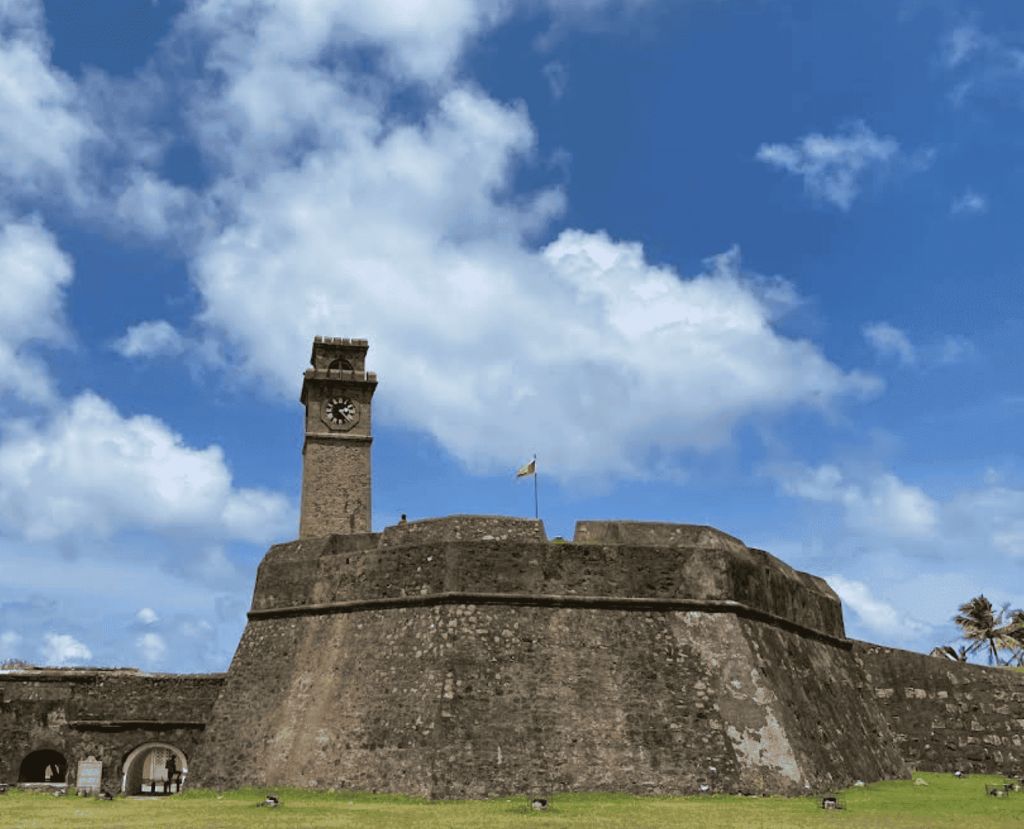
Within the Galle Fort, Reformed churches stand as testament to the colonial era. Their architectural restraint contrasts strikingly with the exuberance of Hindu temples or the monumentality of Buddhist stupas, offering yet another facet of the country’s religious diversity.
Kataragama: A Symbol of Sri Lankan Pluralism
Kataragama is perhaps the most striking example of religious coexistence in Sri Lanka. Within this single sacred space, Buddhists, Hindus, Muslims, and indigenous peoples practise their rituals, sometimes simultaneously.
The site draws thousands of pilgrims each year, particularly during major festivals marked by processions, offerings, and spectacular rites such as firewalking. Kataragama demonstrates that religious coexistence in Sri Lanka goes beyond mere tolerance, it is expressed through shared practices and common spaces.
Understanding Sri Lanka Through Its Religions
In Sri Lanka, religions are not compartmentalised: they intertwine in space, in time, and in everyday life. To understand this cohabitation is to read the country more clearly , its past tensions, but also its present balance.
Exploring pagodas, kovils, mosques, and churches goes beyond a simple tourist visit. What emerges is a plural Sri Lanka, where spirituality is visible, accessible, and deeply embedded in the landscape.
To discover these sites through a coherent and respectful itinerary, our local team at Mai Globe Travels designs tailor-made journeys, adapted to your pace, the season, and your cultural and spiritual interests.
FAQ – Religions and Places of Worship in Sri Lanka
What are the main religions practised in Sri Lanka? Sri Lanka is home to four major religions: Buddhism (the majority), Hinduism, Islam, and Christianity. They coexist across the entire territory, with more pronounced regional concentrations in the North, the East, and along the West Coast.
Can you visit temples, mosques, and churches freely? Yes, the majority of places of worship are open to visitors outside of prayer times or major ceremonies. Access may be temporarily restricted in certain Hindu temples or mosques during rituals.
Is there a dress code to follow? Yes. Shoulders and knees should be covered in all religious sites. Shoes must be removed in Buddhist and Hindu temples, as well as in some mosques. A scarf is often useful for easy adaptation.
Can you take photos inside places of worship? This varies by site. Some allow photography without flash; others prohibit it entirely inside. It is always advisable to check the notices at the entrance and to avoid photographing worshippers in prayer without permission.
What is the best time to visit religious sites? Early morning or late afternoon, when the heat is more bearable and the atmosphere more authentic. Major religious festivals offer a powerful experience, but also bring larger crowds.
Are religious sites suitable for a family visit? Yes, provided local rules are respected and rest breaks are planned — particularly at the major sites of the Cultural Triangle, where distances are significant and sun exposure can be intense.
Are there places that embody several religions at once? Yes. Kataragama is the most emblematic example: Buddhists, Hindus, Muslims, and indigenous peoples all practise their rituals within the same sacred space.
Is a guide necessary to understand the religious differences? It is not compulsory, but a local guide allows for a far deeper understanding of the symbols, practices, and historical context. This greatly enriches the visit, especially for travellers with an interest in the cultural and spiritual dimension of the country.