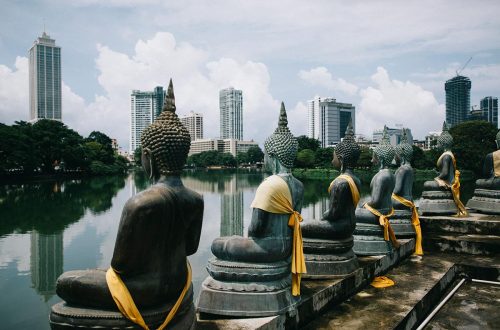
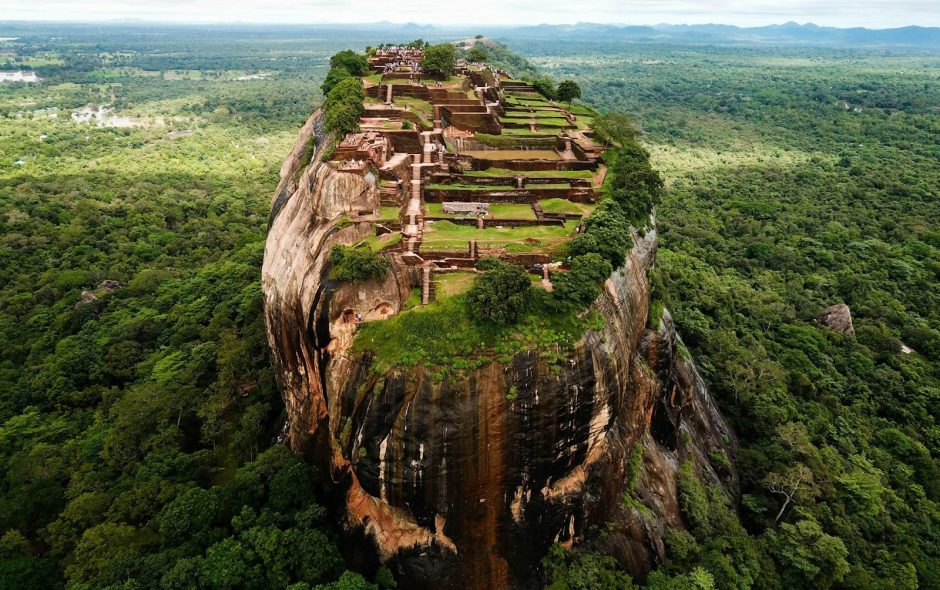
After decades of civil war, Sri Lanka—often referred to as the Pearl of the Indian Ocean, has emerged as one of Asia’s most compelling travel destinations. The island offers an extraordinary diversity of experiences, from ancient cities and tea plantations to golden beaches and wildlife reserves.
Listed as a UNESCO World Heritage Site in 1988, the Cultural Triangle is Sri Lanka’s historical and spiritual heartland. For over 2,000 years, Buddhism, Hinduism, Islam, and Sinhalese culture have coexisted here. The region connects three former capitals: Anuradhapura, Polonnaruwa, and Kandy.
Here are nine essential things to know to fully appreciate this iconic region.
1. Why Is It Called the Cultural “Triangle”?
The northern plains of Sri Lanka were once known as Rajarata, meaning “Land of the King.” Since the 1970s, the term Cultural Triangle has been used to promote the ancient sites of Anuradhapura, Polonnaruwa, and Kandy. While practical from a tourism perspective, this triangular concept does not fully reflect historical reality—particularly when it comes to Kandy, whose history and political role differ significantly from the two ancient capitals.
2. The Monumental Dagobas of Anuradhapura
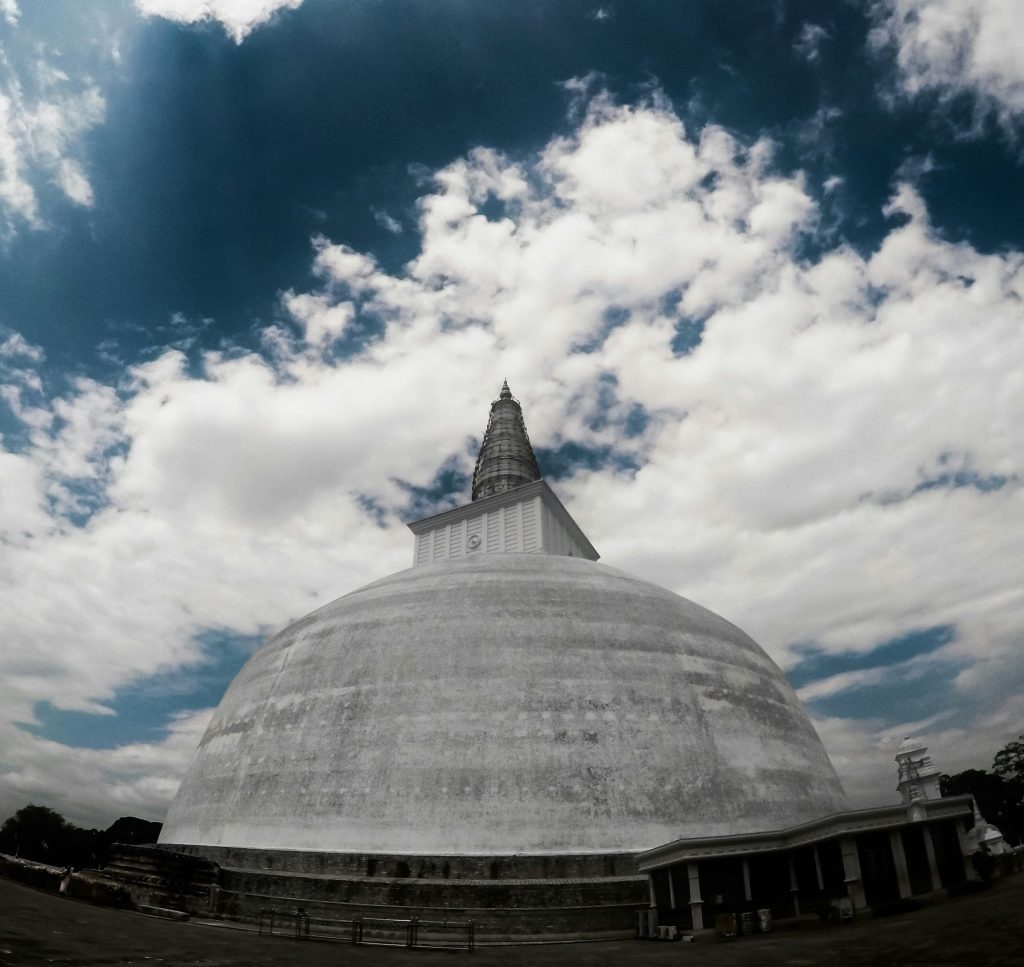
The dagobas (or stupas) of Anuradhapura are immense domed structures built to house sacred Buddhist relics. Walking near them gives a real sense of their scale and grandeur. Dating back more than 2,500 years, these structures are among the largest brick monuments ever built—second only to the Egyptian pyramids.
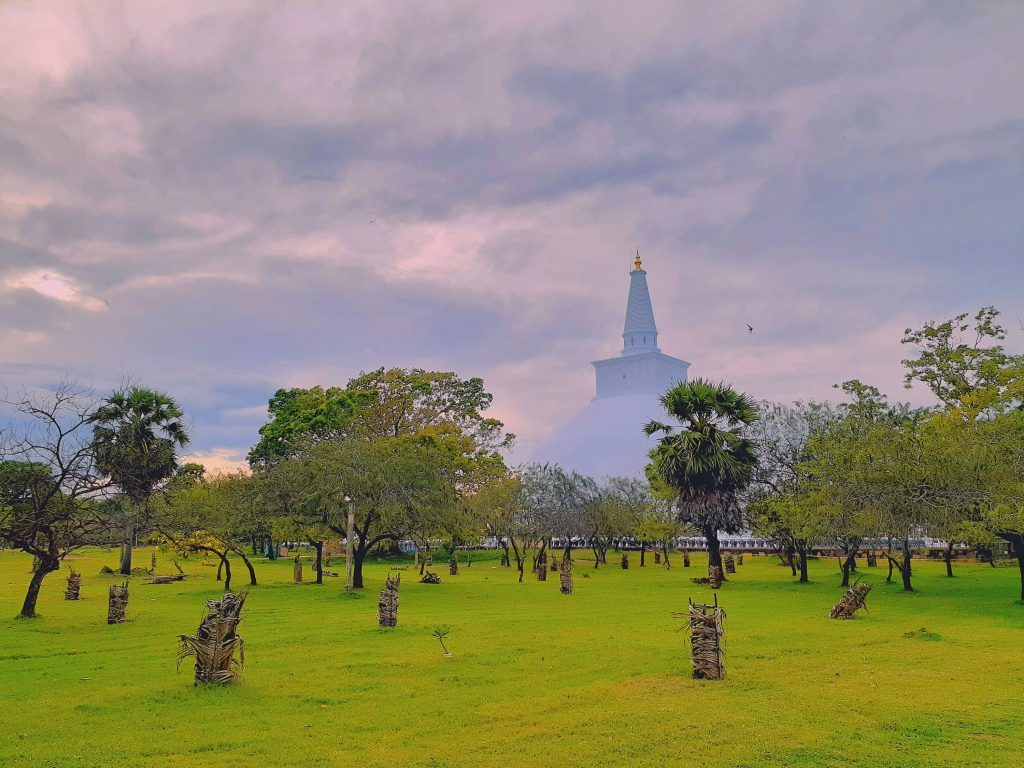
Beyond their size, their purpose is equally fascinating. These stupas were designed as pilgrimage centers, welcoming devotees from across the Indian subcontinent during major religious festivals. They offered shaded spaces for rest, reflection, and meditation.
3. The Sacred Bodhi Tree
The Sacred Bodhi Tree in Anuradhapura is one of the most revered sites in Sri Lanka. Believed to be the oldest documented tree in the world, it attracts pilgrims daily. Its deep-rooted spiritual and cultural significance makes it a central element of Buddhist devotion, with rituals and offerings taking place throughout the year.
4. The Dambulla Cave Temple
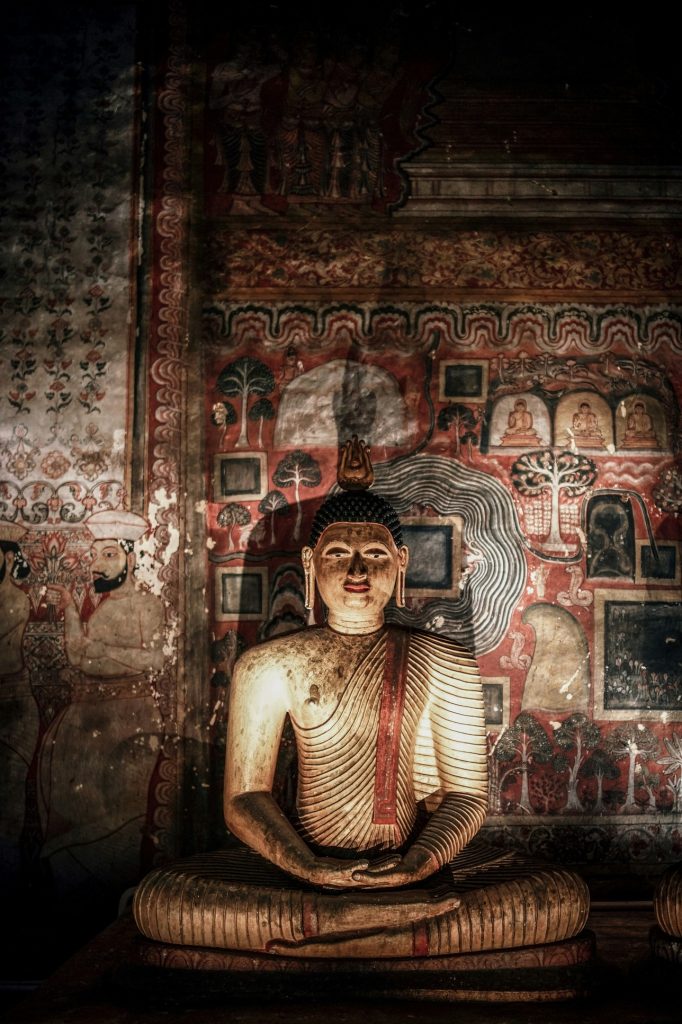
The Dambulla Cave Temple complex features a monumental reclining Buddha alongside dozens of smaller statues. Spread across five cave temples carved directly into the rock, the site is adorned with murals depicting scenes from the life of Gautama Buddha.
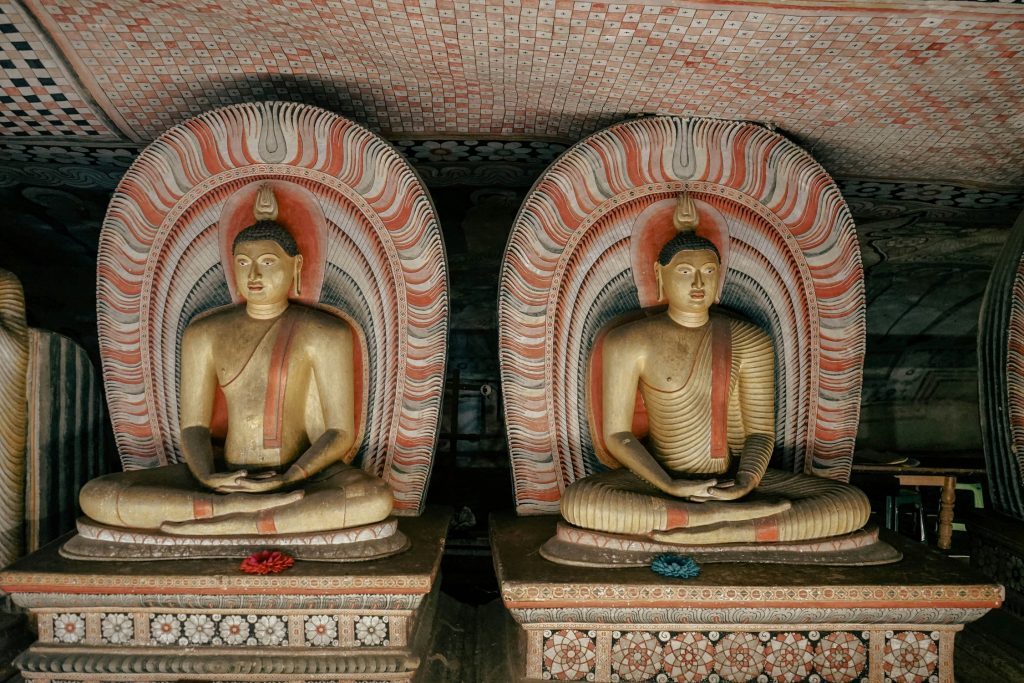
This extraordinary ensemble makes Dambulla an essential stop within the Cultural Triangle and one of the most impressive Buddhist cave temple complexes in Asia.
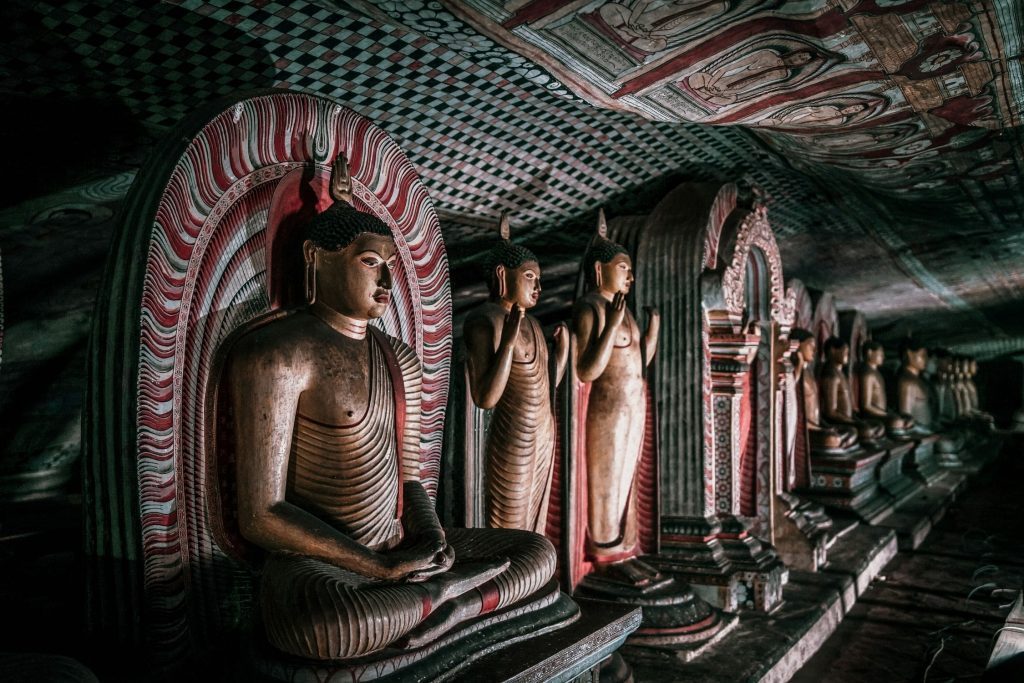
5. Sigiriya: The Lion Rock
Sigiriya is one of Sri Lanka’s most iconic archaeological sites and a UNESCO World Heritage landmark. Rising dramatically from the central plains, this massive rock fortress once served as a royal citadel. As you climb to the summit, you are rewarded with sweeping views over forests, lakes, and farmland.
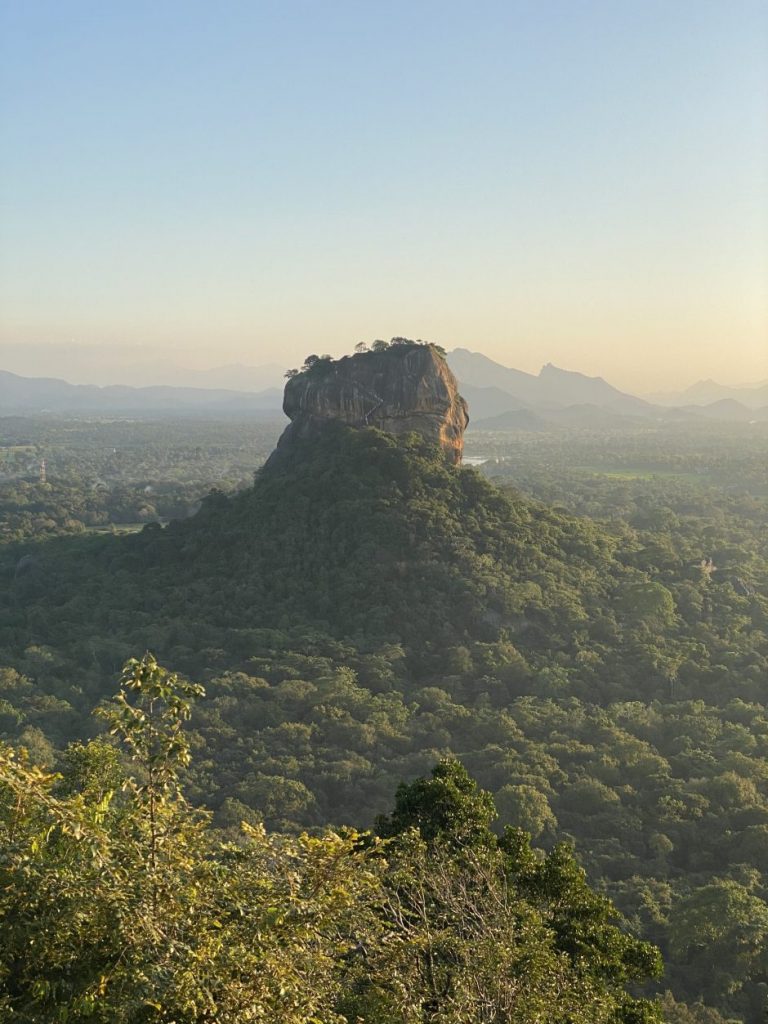
Despite its popularity, Sigiriya remains deeply impressive—both for its historical significance and its breathtaking panoramic scenery.
6. Pilgrimage at the Heart of Daily Life
Sri Lankans are deeply religious, and pilgrimage plays an essential role in everyday life. Many of the Cultural Triangle’s temples are active places of worship, drawing devotees from across the country. Cities like Anuradhapura function as vast sacred complexes where religious practice and daily life intertwine.
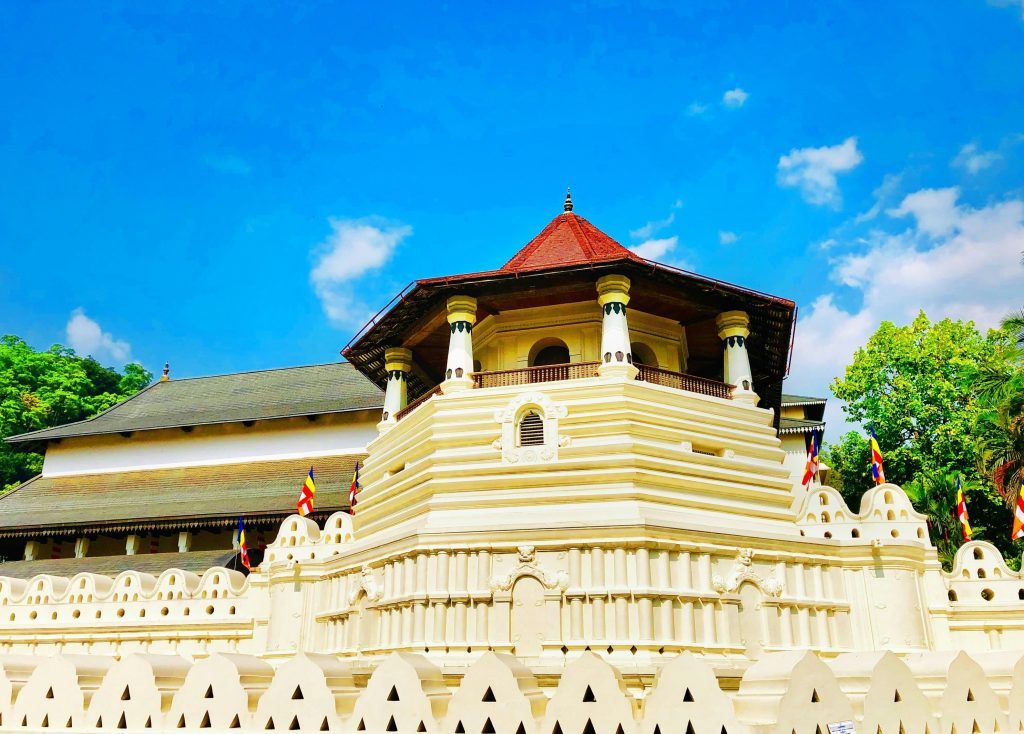
7. The Temple of the Sacred Tooth Relic in Kandy
The Temple of the Sacred Tooth Relic in Kandy is one of the most important Buddhist shrines in the world. The complex houses what is believed to be a tooth of the Buddha, preserved as a sacred relic.


Each year, the famous Esala Perahera festival honors the relic with elaborate processions featuring dancers, drummers, and richly adorned elephants—one of Sri Lanka’s most spectacular cultural events.
8. The Ancient Cities of Anuradhapura and Polonnaruwa
Anuradhapura and Polonnaruwa were successive capitals of the Sinhalese kingdom. Founded in 380 BCE, Anuradhapura resisted repeated invasions before being abandoned and gradually reclaimed by the jungle. The ruins were rediscovered in the 19th century.
Today, visitors can explore both cities: Anuradhapura, the older and more expansive site, and Polonnaruwa, the later capital, whose structures are generally better preserved despite centuries of conflict.
9. The Kingdoms of Rajarata and Kandy
Rajarata, meaning “Land of the King,” covered the northern part of the ancient kingdom, while Kandy developed independently in the south. Although the two kingdoms were not directly connected politically, both were deeply rooted in Buddhism. Their religious beliefs and cultural legacies continue to shape Sri Lanka’s identity today.
FAQ – Visiting Sri Lanka’s Cultural Triangle
What is the best time to visit?
The sites can be visited year-round. August, Christmas, and New Year periods are particularly busy. Full moon days (Poya days) are public holidays, and religious sites become crowded with pilgrims. The Sinhala New Year (mid-April) and Vesak in May also attract large local crowds.
What climate should I expect?
The region is generally hot and dry from January to October. Kandy may experience rainfall during both the southwest monsoon (late May to September) and the northeast monsoon (November–December).
Is there a dress code for temples?
Modest attire is required: shoulders and knees must be covered. Shoes and hats must be removed at certain sites. Comfortable walking shoes are strongly recommended.
Any practical tips?
Expect strong sun and high temperatures. Sunscreen, a hat, and plenty of water are essential.
What languages are spoken?
Sinhala and Tamil are the main languages. English is widely spoken, and some local guides also speak French or German.
What currency is used?
The Sri Lankan rupee is standard, but US dollars, euros, and British pounds are accepted in most hotels.
What food can I expect?
Large hotels offer both Western and Sri Lankan cuisine. Smaller restaurants mainly serve traditional Sri Lankan dishes.
Is Wi-Fi available?
Most hotels and many restaurants offer free Wi-Fi.
Are ATMs easy to find?
Yes, ATMs are available in Anuradhapura, Polonnaruwa, Dambulla, Matale, and Kandy.
How to Plan Your Cultural Triangle Journey
Mai Globe Travels’ local specialists design tailor-made itineraries across Sri Lanka, adapted to your interests and budget. Your dedicated travel advisor will help you explore off-the-beaten-path locations and connect with local communities.
We also carefully select experienced French-speaking guides, known for their deep knowledge, and their sense of humor, to make your journey both enriching and enjoyable.