
Why Choose Train Travel in Vietnam?
An Immersive Experience
Travelling by train allows you to fully appreciate Vietnam’s diverse landscapes and observe the cultural contrasts between regions. Unlike flying, train journeys offer a gradual and authentic immersion into the country, where scenery and daily life unfold along the tracks.
Comfort and Safety
Train travel is generally safer than long-distance buses, where accidents are more common. Trains also provide more space, allowing passengers to relax, move around freely, and enjoy the journey without feeling cramped.
Affordable Prices
Train tickets usually cost around half the price of domestic flights. While slightly more expensive than buses, trains offer significantly better comfort, especially on long-distance routes.
An Authentic Way to Travel
Taking the train in Vietnam means sharing the journey with locals, discovering their habits, and tasting regional dishes along the way. It’s one of the best ways to observe everyday life and connect with the country beyond tourist hotspots.
Main Train Routes in Vietnam
Reunification Express (Ho Chi Minh City – Hanoi)
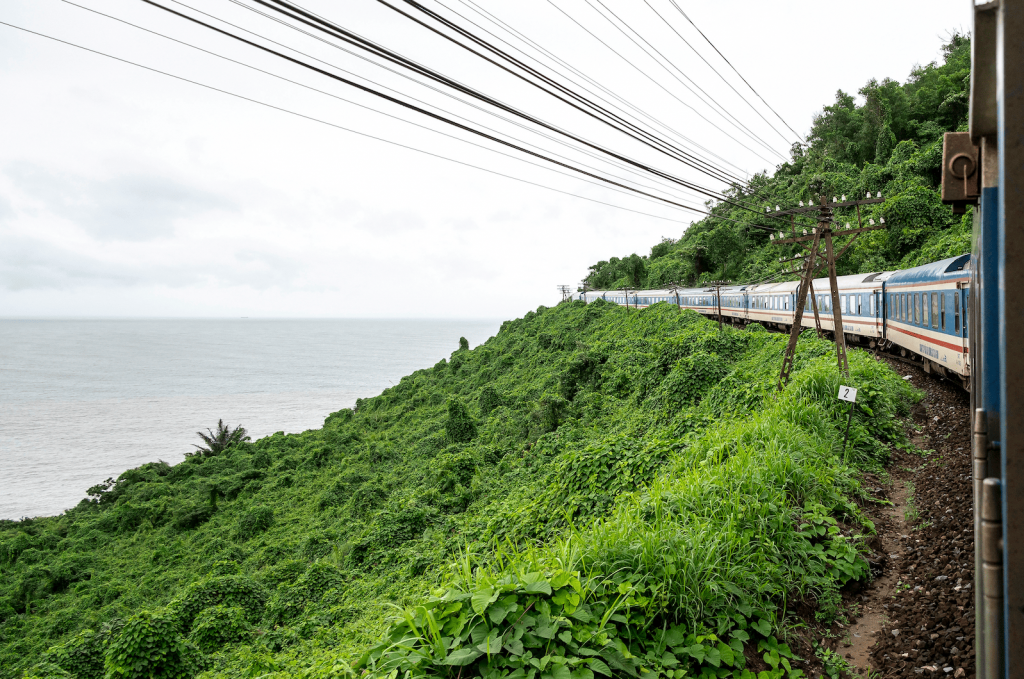
This is Vietnam’s main railway line, stretching over 1,700 km from south to north. Running largely along the coastline, it serves all major cities and offers some of the most scenic train views in the country.
Hanoi – Lao Cai (Sapa)
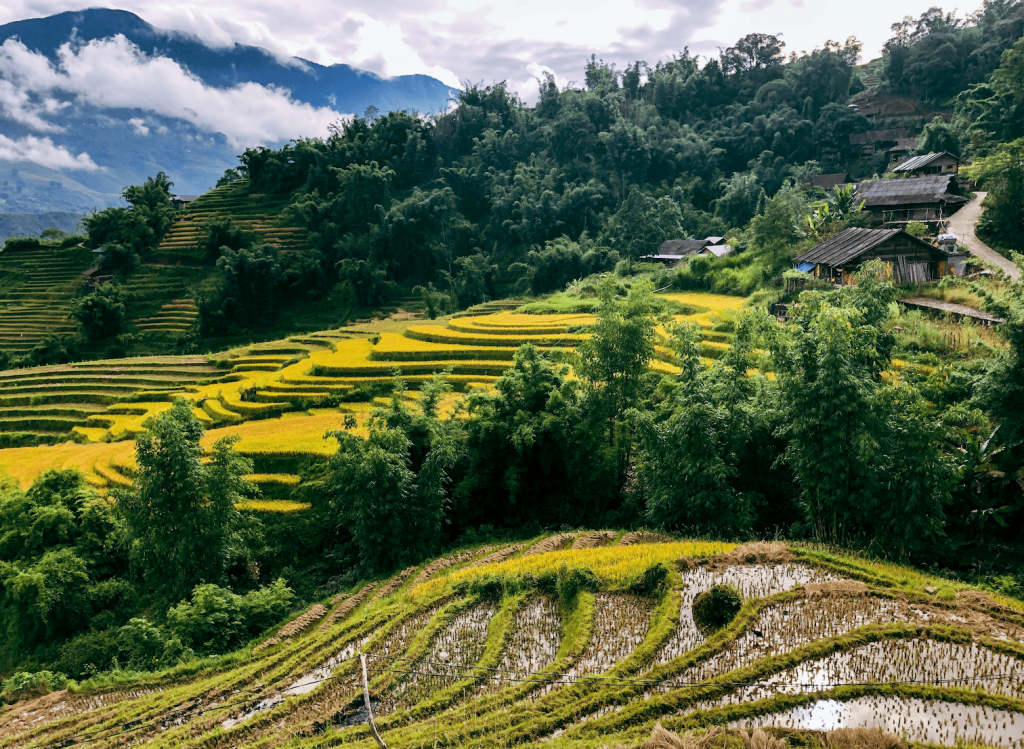
This overnight train is the most convenient way to reach Sapa and its famous terraced rice fields. The journey takes around 8 hours and offers comfortable sleeping compartments, ideal for arriving well-rested.
Hanoi – Hai Phong
A fast and practical route connecting Hanoi to Hai Phong, the gateway to Halong Bay. The trip takes about 2.5 hours and is a comfortable alternative to often overcrowded buses.
Ho Chi Minh City – Phan Thiet
This line leads to the beaches of Mui Ne, known for its sand dunes and pleasant climate. The journey lasts around 4 hours, making it perfect for a short beach escape from the city.
Da Lat – Trai Mat
A short scenic railway mainly used for sightseeing rather than transport. This 45-minute ride offers beautiful mountain views and a charming glimpse into Vietnam’s highlands.
Seat Classes and Sleeper Options
Hard Seat
Wooden seats are the cheapest option but also the least comfortable. They are only suitable for short journeys, as they quickly become uncomfortable on longer routes.
Soft Seat
Reclining seats with air conditioning provide good comfort for daytime travel. They are ideal for medium-distance routes such as Hanoi – Hai Phong or Hue – Da Nang.
Hard Sleeper (6 berths)
These air-conditioned compartments include six bunk beds. They are a budget-friendly option for long journeys, although space can feel limited, especially on the upper bunks.
Soft Sleeper (4 berths)
The most comfortable option available, featuring four beds with better mattresses and more space. Perfect for overnight journeys such as Hanoi – Sapa or Ho Chi Minh City – Hanoi.


How to Book Train Tickets
Online
Websites like Baolau.com and 12go.asia make booking easy for international travellers. You can select your seat or berth and pay online, avoiding language barriers.
At the Train Station
Tickets can be purchased directly at stations, but communication may be challenging if you don’t speak Vietnamese. Queues can also be long, especially during peak travel periods.
Book in Advance
It’s strongly recommended to book several days ahead, particularly for overnight trains. During holidays and festivals, tickets sell out quickly.
Must-Do Train Journeys
Hanoi → Lao Cai (Sapa)
A classic overnight journey into northern Vietnam’s mountains. Comfortable sleeper cabins allow you to arrive refreshed and ready to explore the rice terraces.
Hue → Da Nang
One of the most scenic train rides in Southeast Asia. The route hugs the coastline and crosses the Hai Van Pass, offering breathtaking sea views.
Nha Trang → Quy Nhon
A lesser-known coastal route that showcases rural Vietnam and fishing villages. Ideal for travellers seeking a quieter, more authentic experience.
Ho Chi Minh City → Mui Ne
A 4-hour journey perfect for a beach getaway, passing through rice fields, forests, and eventually reaching Mui Ne’s iconic red sand dunes.
Food on Board Vietnamese Trains
Dining Cars
Some trains include dining cars where hot meals such as pho or fried rice are served. The atmosphere is friendly, though hygiene standards can vary.
Onboard Vendors
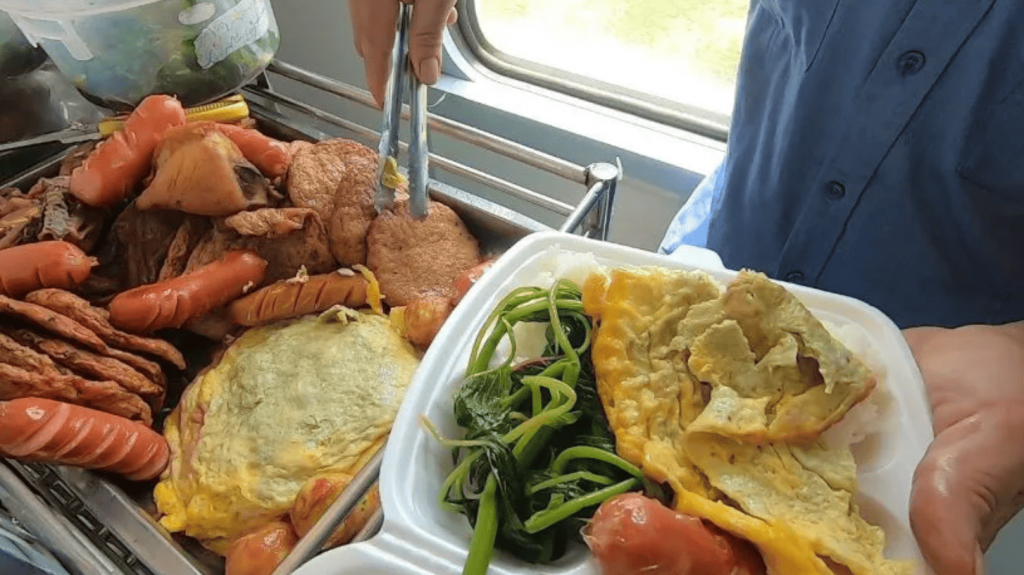
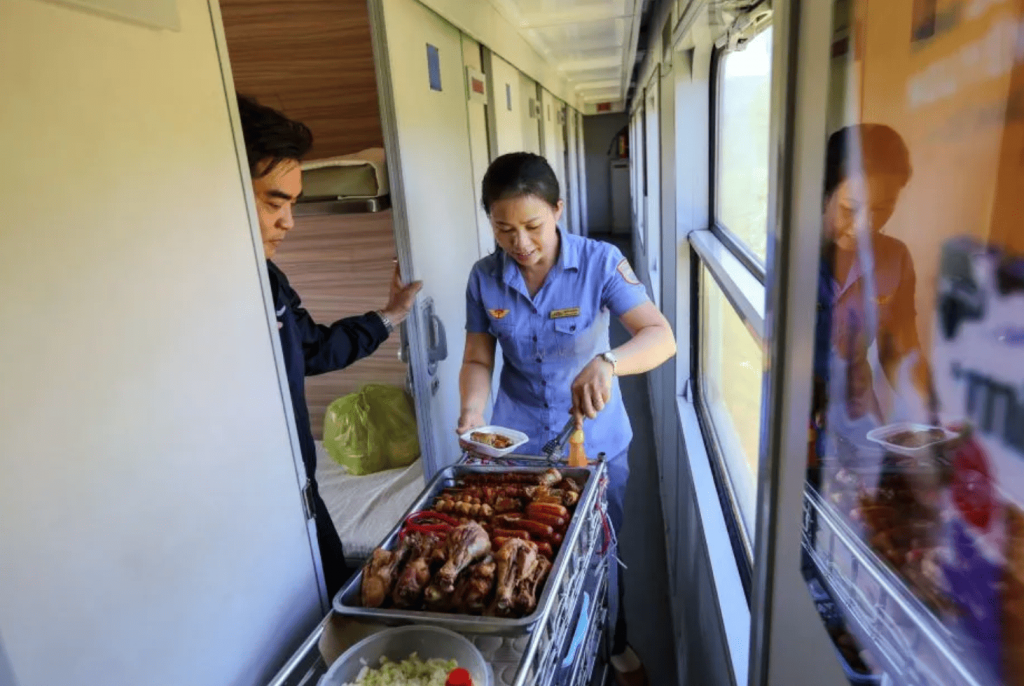
Vendors regularly walk through the carriages selling local snacks like banh mi, fresh fruit, and instant noodles.
Bringing Your Own Food
It’s very common to bring your own meals, especially on overnight journeys. Many Vietnamese travellers carry homemade food and hot drinks.
Practical Tips for a Smooth Journey
Arrive Early
Arriving at the station at least 30 minutes before departure helps avoid stress, especially in busy stations like Hanoi or Ho Chi Minh City.
Pack Warm Clothing
Air conditioning on Vietnamese trains can be surprisingly strong. A sweater or light blanket is essential, particularly for night trains.
Keep Your Belongings Secure
While theft is rare, it’s best to secure your luggage with a lock and keep valuables close at all times.
Carry Cash
Food and drinks on board are usually paid for in cash. Small bills are especially useful.
Entertainment
Long journeys and limited internet access mean it’s wise to download movies, books, or podcasts in advance.
Final Thoughts
👉 Train travel is an excellent way to explore Vietnam, offering a slow, immersive, affordable, and comfortable experience.
👉 The landscapes are truly spectacular, especially on routes like Hue – Da Nang or along the southern coastline.
👉 Book your ticket in advance and enjoy an authentic journey through the heart of Vietnam. 🚂
With Mai Globe Travels, specialists in tailor-made journeys in Vietnam, enjoy an itinerary perfectly adapted to your pace. Whether you’re planning a full cross-country train adventure or iconic routes like Hanoi – Sapa or Hue – Da Nang, our expertise ensures a smooth and unforgettable experience. 🚆