Sri Lanka is a true paradise for birdwatchers, offering an impressive diversity of endemic and migratory species. Here is a detailed overview of the main national parks and reserves where birdwatching reaches its peak.
Sinharaja Forest Reserve
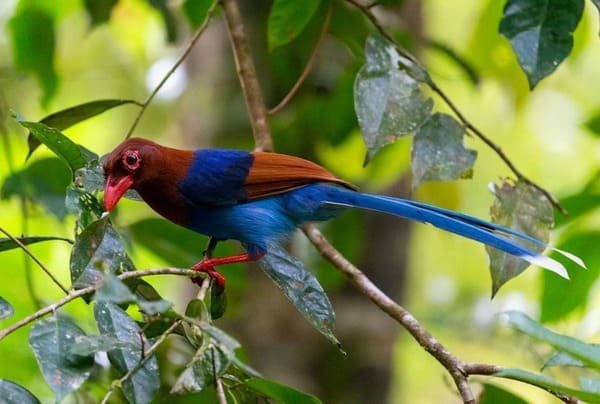
A UNESCO World Heritage Site, Sinharaja is the last stronghold of Sri Lanka’s primary rainforest. It is home to 95% of the country’s endemic bird species, including the red-faced malkoha, the Sri Lanka drongo and the Sri Lanka blue magpie. Birds often move in mixed-species flocks, typically led by the Sri Lanka drongo or the orange-billed babbler. Beyond birds, the forest shelters numerous endemic reptiles, amphibians and butterflies.

Kumana National Park
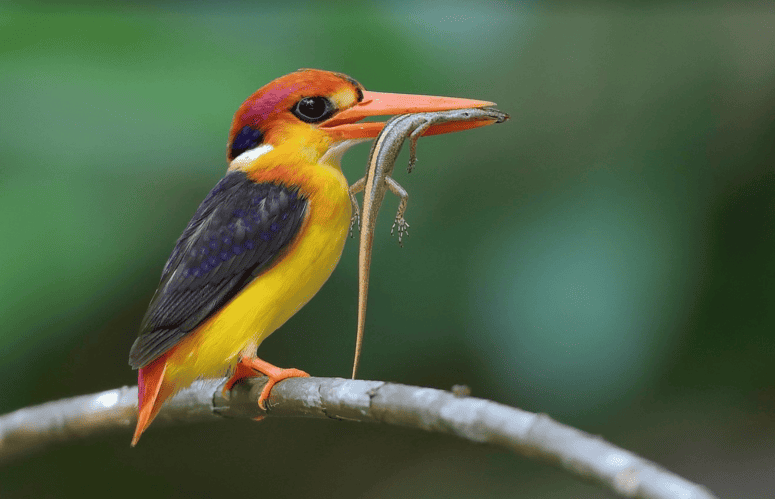
Located on the southeast coast, Kumana National Park is renowned for its vast wetlands attracting thousands of migratory birds between April and July. Notable species include the black-necked stork, the Eurasian spoonbill and the Indian openbill. The park is also an important nesting ground for many waterbirds. In addition to its avian life, Kumana is home to elephants, crocodiles and the occasional leopard.


Bundala National Park
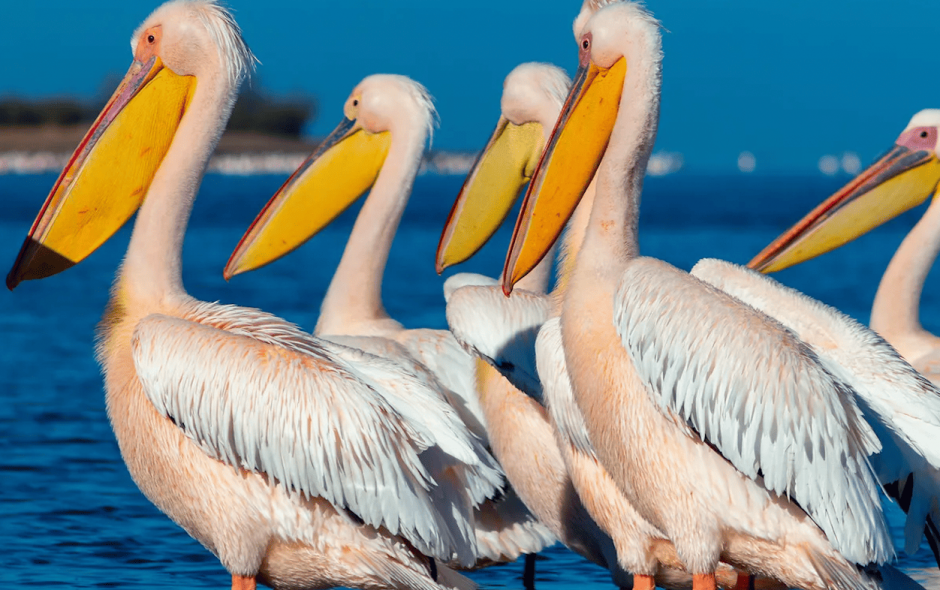
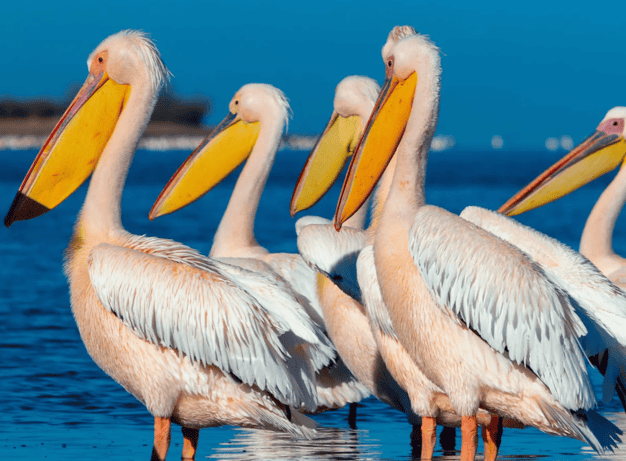
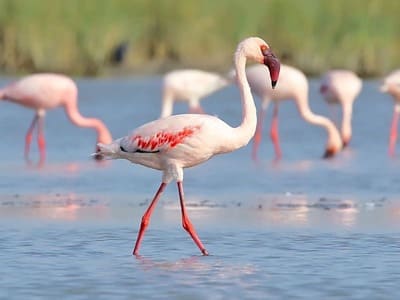
As Sri Lanka’s first Ramsar site, Bundala National Park is a sanctuary for waterbirds such as flamingos, pelicans and spoonbills. With over 200 recorded species—including many migrants—the park offers an exceptional birdwatching experience, especially from November to March. Its varied landscapes, from lagoons to dunes, enhance the richness of its biodiversity.

Horton Plains National Park
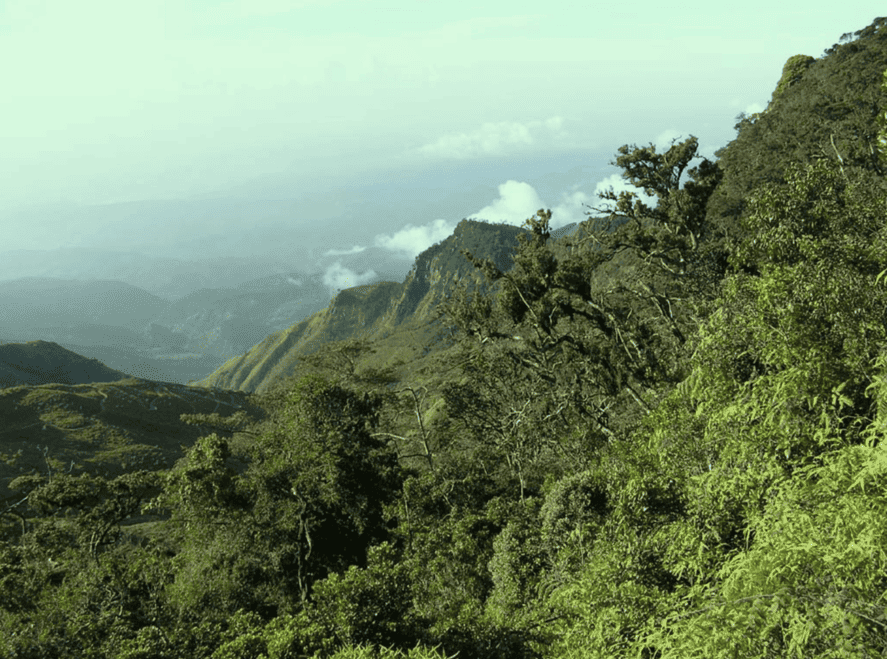
Situated more than 2,000 meters above sea level, Horton Plains National Park is a blend of cloud forests and grasslands. It provides refuge for many endemic species, including the Sri Lanka whistling thrush, the yellow-eared bulbul and the dull-blue flycatcher. The dramatic scenery, including the famous “World’s End,” creates a breathtaking backdrop for birdwatching.
Udawalawe National Park
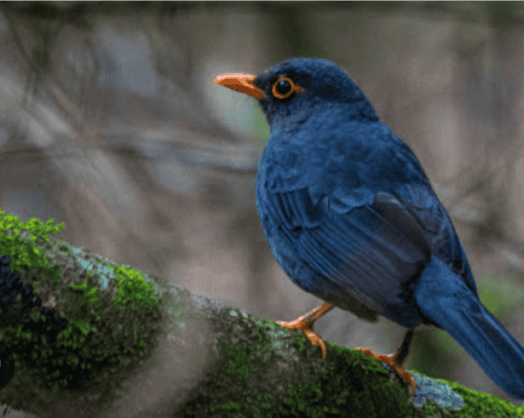
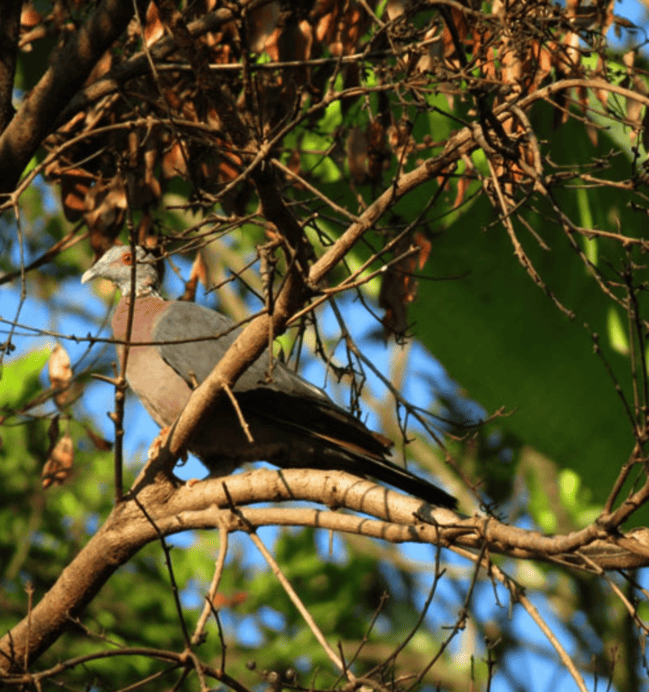
While Udawalawe is best known for its elephants, it is also an excellent birdwatching site. Noteworthy species include the Malabar pied hornbill, the crested hawk-eagle and the brown-capped babbler. Its wide-open grasslands and reservoirs attract a rich mix of aquatic and terrestrial species.

Kitulgala Forest Reserve
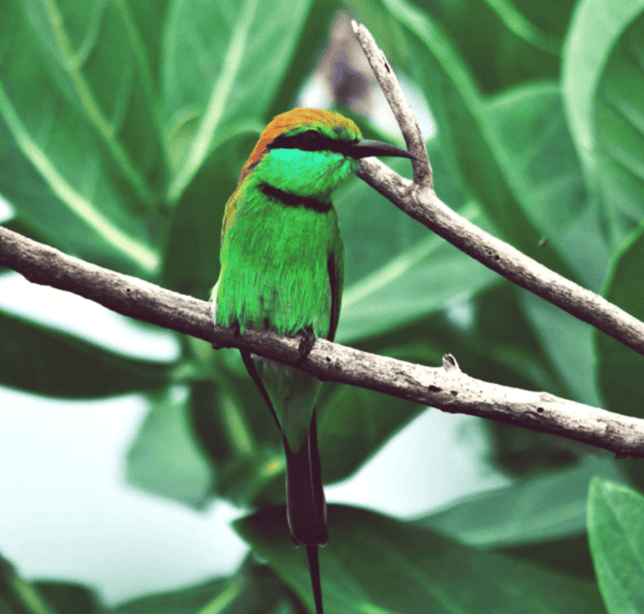
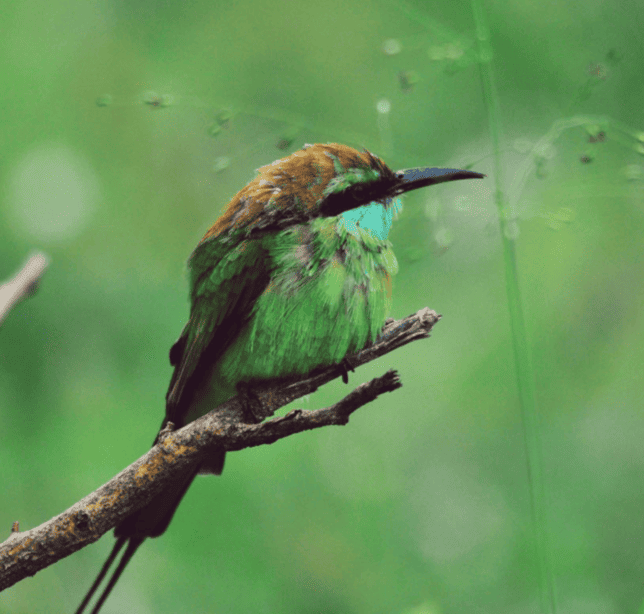
Located in one of the wettest regions of the country, Kitulgala Forest Reserve is a hotspot for lowland endemic species. Birdwatchers can spot the chestnut-backed owlet, the green-billed coucal and the Sri Lanka crested drongo. The forest is also where the rare Serendib scops owl was first discovered.


Yala National Park
Famous for its leopard population, Yala National Park is also an exceptional birdwatching destination with nearly 215 recorded species. Among them are the Sri Lanka junglefowl, the brown-capped babbler and the Malabar pied hornbill. Its diverse habitats, from lagoons to dry forests, offer a wide variety of species to observe.
Minneriya National Park
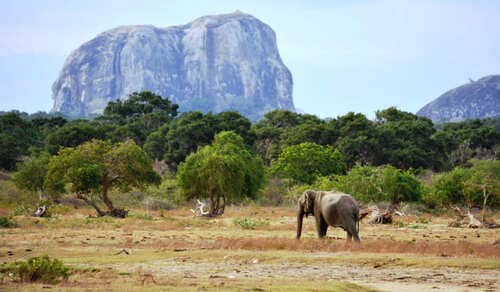
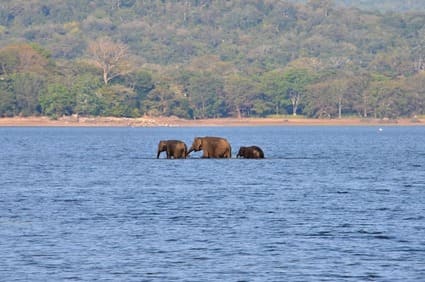
Known for the seasonal gathering of elephants, Minneriya National Park is also significant for birdwatching. The reservoir attracts species such as the spot-billed pelican, the painted stork and the grey heron. The surrounding forests also host endemic birds like the Sri Lanka junglefowl and the Sri Lanka grey hornbill.


Udawattakele Forest Reserve
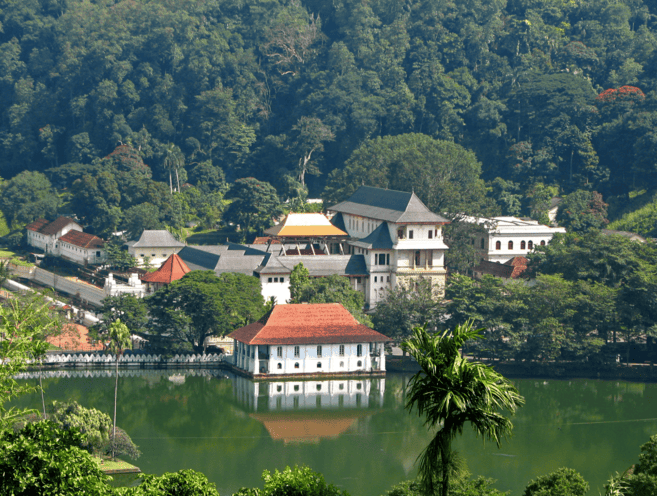
Located near Kandy, Udawattakele Forest Reserve is a peaceful haven for birdwatchers. It shelters around 80 bird species, including Layard’s parakeet, the yellow-fronted barbet and the brown-capped babbler. The forest is also rich in endemic reptiles, amphibians and mammals.


Gal Oya National Park
A lesser-visited destination, Gal Oya National Park offers a unique birdwatching experience, especially from boats on the Senanayake Samudraya reservoir. Species found here include the Sri Lanka junglefowl, the painted francolin and the Sri Lanka wood pigeon. The park also supports a wide range of mammal and reptile species.


FAQ – Birdwatching Sri Lanka
When is the best time for birdwatching in Sri Lanka?
The optimal period runs from November to April, when migratory birds arrive. However, endemic species can be observed year-round.
Do you need a guide to visit the reserves?
Yes. In reserves such as Sinharaja, an accredited guide is mandatory for safety and conservation reasons.
What equipment is recommended?
Quality binoculars, a bird identification guide, discreet clothing and walking shoes are essential.
Can birdwatching be combined with other activities?
Absolutely. Many parks also offer safaris to observe elephants, leopards and crocodiles.
Are there accommodations near the birdwatching sites?
Yes, numerous lodges and ecolodges are located near the parks, offering comfortable stays in the heart of nature.
Final Thoughts
For a tailor-made birdwatching experience in Sri Lanka, trust Mai Globe Travels, your expert local agency. Our team helps you design a personalized itinerary combining birdwatching, cultural discovery and charming nature lodges. Whether you are an enthusiastic beginner or an experienced birdwatcher, we will help you plan an unforgettable journey in the heart of Sri Lanka’s natural beauty.